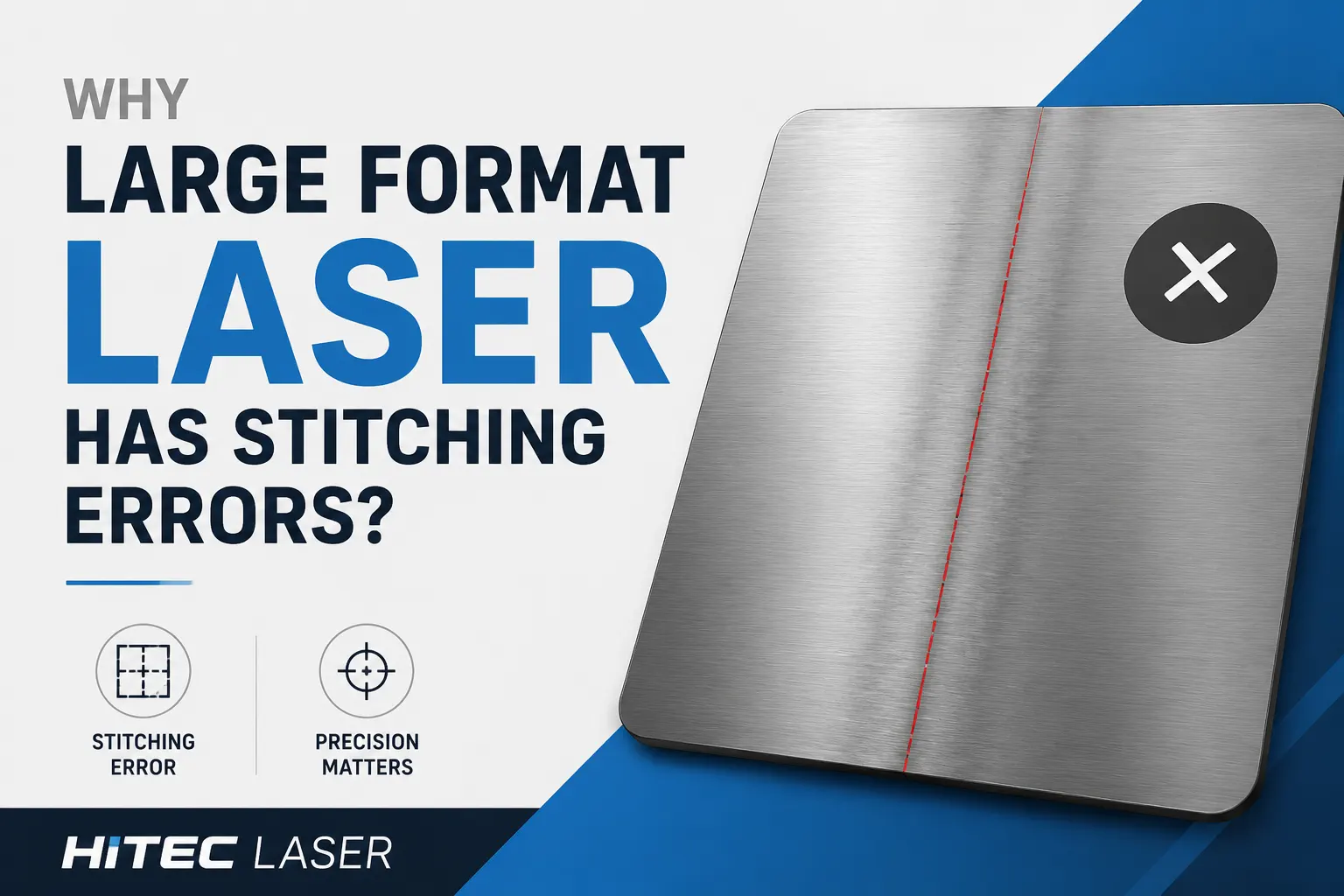
Why Large Format Laser Has Stitching Errors?
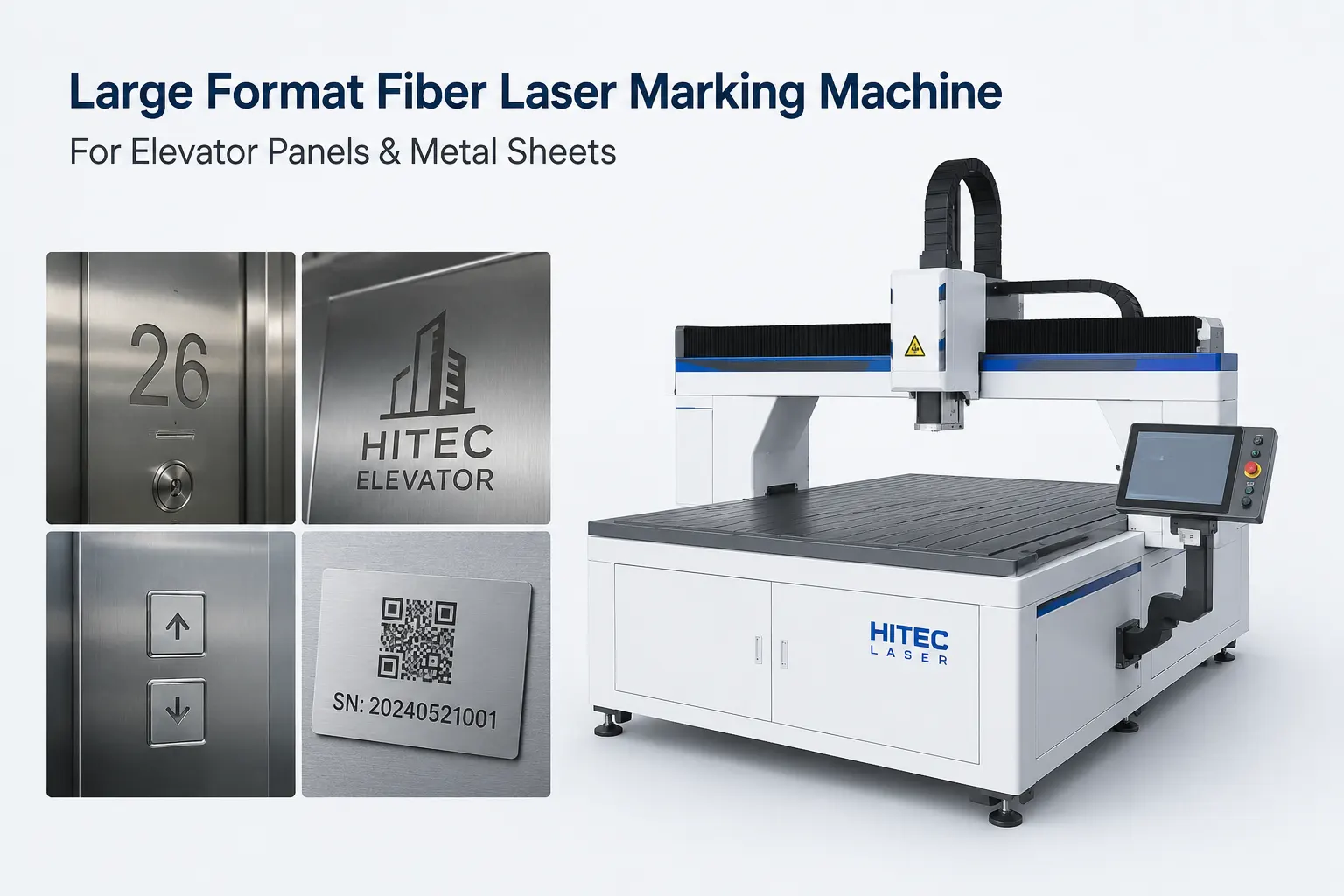
Large format laser systems are widely used for processing stainless steel sheets, elevator panels, metal nameplates, architectural metal plates, and industrial components.
However, when the processing area exceeds the laser working field, a common issue occurs: stitching errors. These include seam lines, misalignment, or overlapping marks between different processing fields.
This is one of the most common challenges in large-format industrial laser processing
What Is a Stitching Error in Large Format Laser Systems?
A stitching error occurs when a large working area is divided into multiple laser fields, and the connection between those fields is not perfectly aligned.
Even a deviation of 0.05–0.1 mm can produce visible seam lines on:
- Stainless steel sheets
- Polished metal surfaces
- Elevator decorative panels
- Nameplates and precision parts
There are two main system types affected:
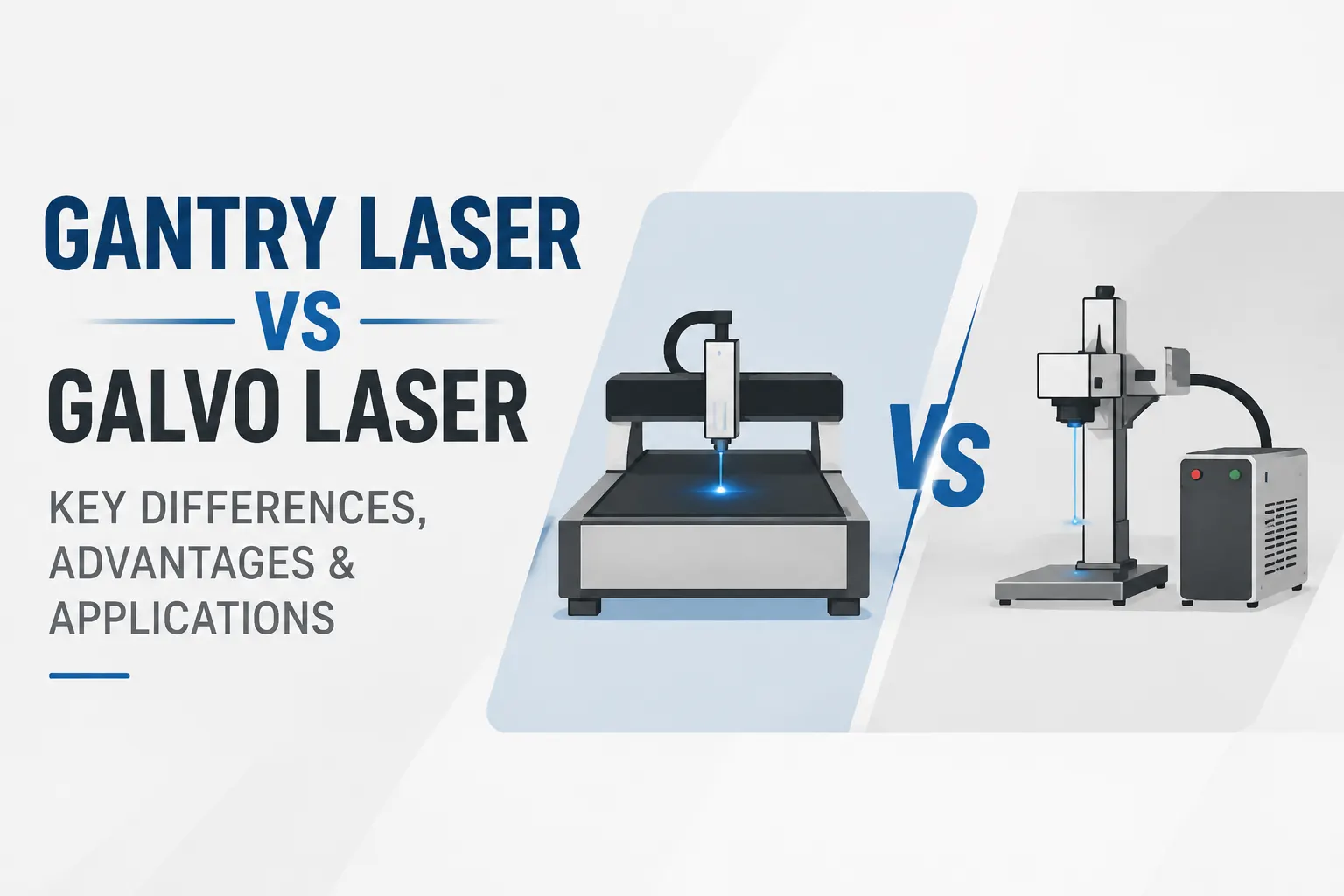
- Galvo scanning stitching systems
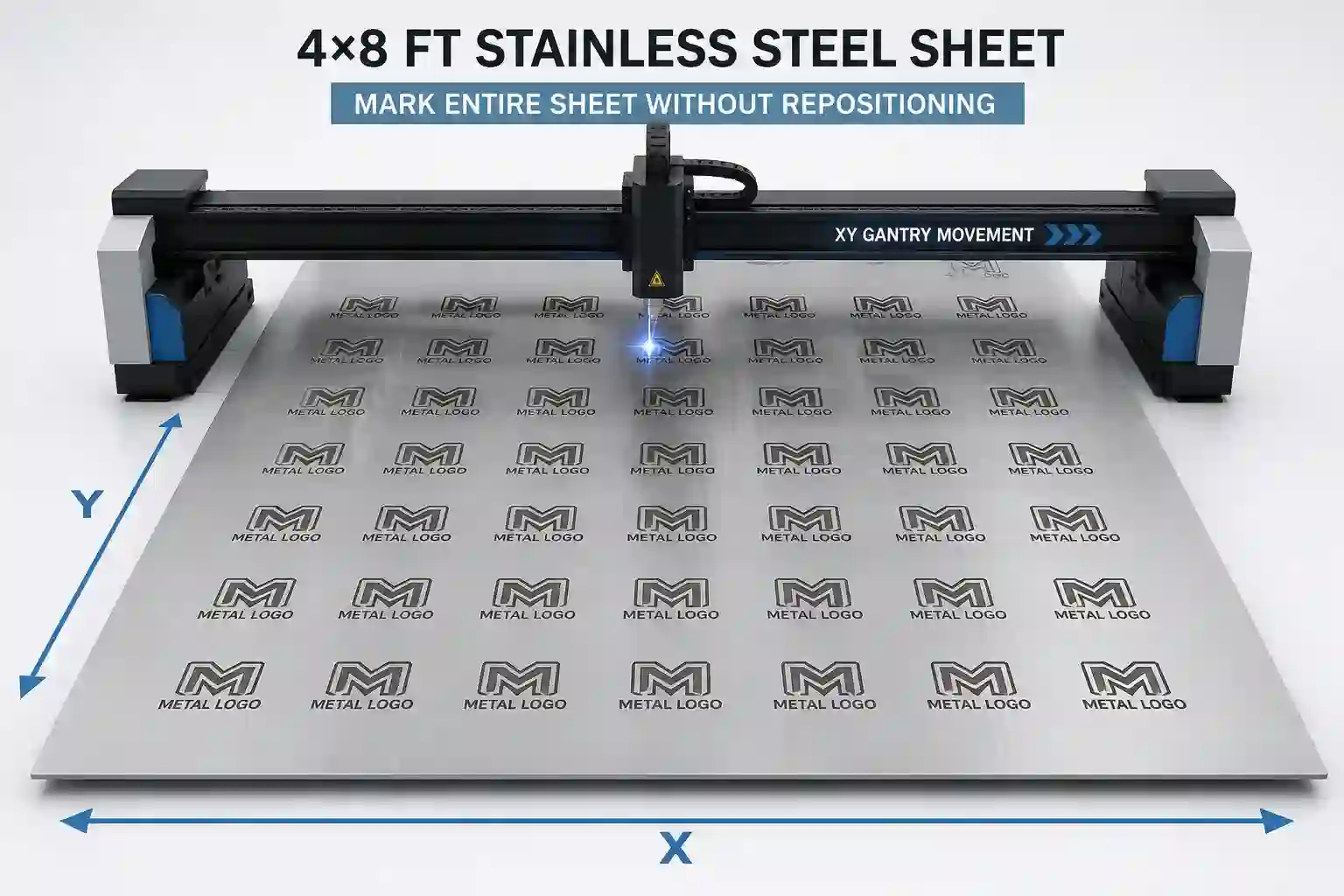
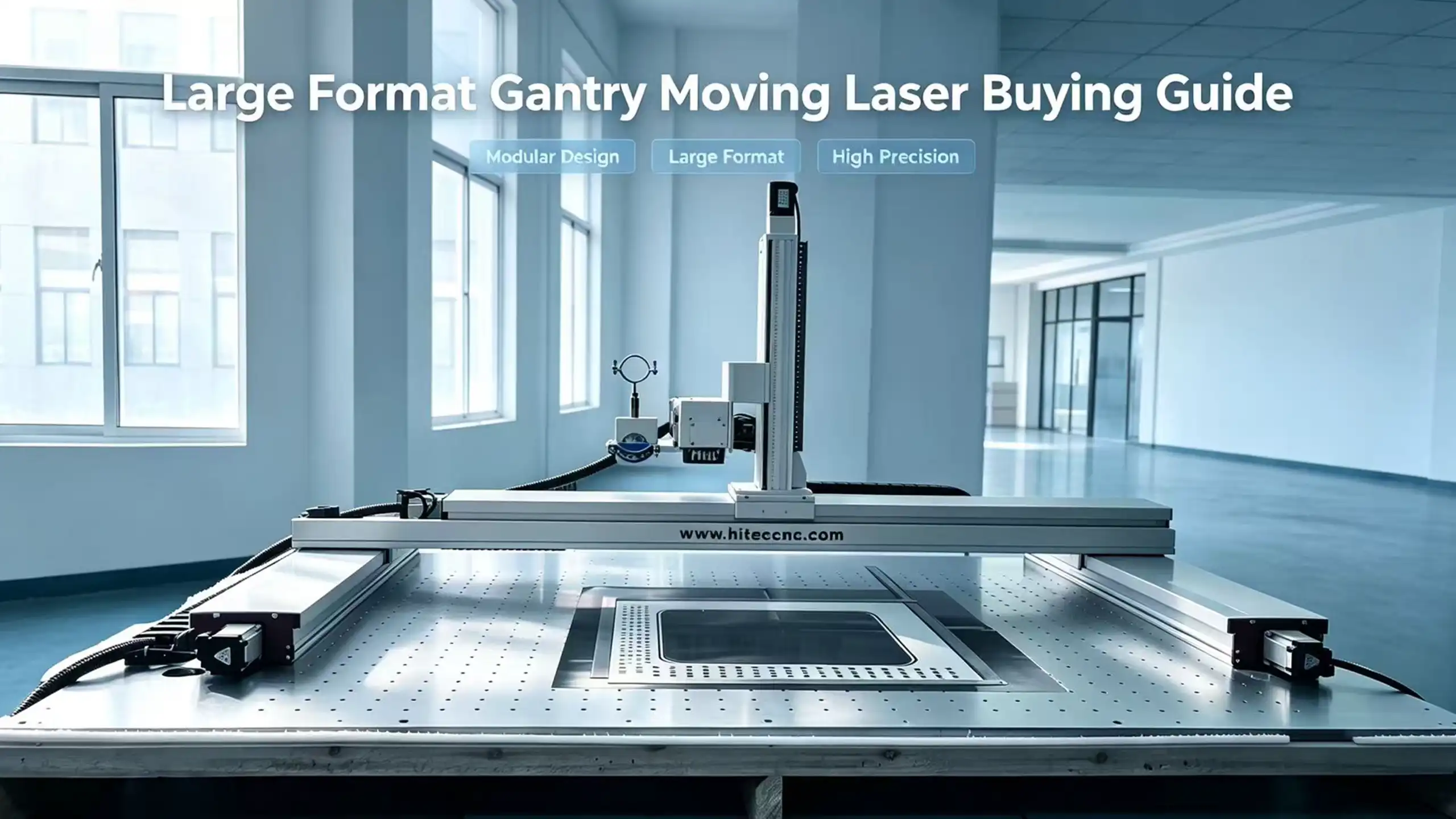
- XY gantry moving laser systems
Main Causes of Large Format Laser Stitching Errors
1. Mechanical Positioning Accuracy Issues
In XY gantry systems, stitching errors are often caused by:
- Servo positioning deviation over long travel distances
- Mechanical backlash in X/Y linear guides
- Inconsistent repeat positioning accuracy
- Structural vibration during movement
👉 Even high-end systems can accumulate micro errors over large areas.
2. Optical Field Misalignment (Galvo Systems)
In scanning-based systems:
- Field calibration mismatch
- Incorrect lens distortion compensation
- Inconsistent edge overlap settings
- Improper field stitching offset
This is one of the most visible causes of seam lines.
3. Incorrect Field Division Strategy (Software Issue)
Most stitching problems are NOT hardware issues.
They come from software:
- Wrong segmentation of artwork
- No overlap zone (or excessive overlap)
- Inconsistent scanning direction
- Poor vector file conversion (AI / DXF / PLT)
👉 This is one of the most ignored root causes.
4. Material Deformation (Very Common in Metal Sheets)
Large stainless steel sheets are sensitive to:
- Thermal expansion during laser processing
- Slight bending or uneven flatness
- Improper clamping pressure
- Material stress release during long jobs
Even perfect machines cannot compensate for unstable materials.
Engineering Solutions to Eliminate Stitching Errors
1. Optimize Field Overlap Strategy
Recommended industrial practice:
- Use 3–8 mm overlap zones
- Ensure smooth transition between fields
- Maintain consistent scan direction
- Avoid unnecessary segmentation of graphics
Avoid unnecessary segmentation of graphics
2. Improve Mechanical Calibration (Critical for Gantry Systems)
- Regular X/Y axis calibration
- Check servo encoder accuracy
- Inspect linear guide wear
- Verify full-range repeatability
👉 Calibration directly affects stitching consistency.
3. Optimize Laser Parameters
- Keep constant power across fields
- Avoid sudden speed changes
- Maintain stable frequency settings
- Use material-specific parameter sets
4. Improve Material Fixing System
- Use vacuum table or rigid clamping
- Ensure full surface flatness
- Avoid micro movement during long processing
5. Environmental Stability Control
- Maintain workshop temperature ±2°C
- Avoid airflow directly hitting material
- Reduce vibration sources nearby
Advanced Solution: How Modern Large Format Laser Systems Reduce Stitching Errors
Modern industrial systems now integrate advanced technologies:
✔ Vision Alignment Systems
Automatically detect reference points and correct positioning deviation.
✔ Software Distortion Compensation
Corrects geometric distortion across full working area.
✔ AI-Based Calibration Optimization
Learns system drift patterns and improves alignment accuracy over time.
✔ Smart Field Mapping Algorithms
Automatically optimize field splitting based on part geometry.
👉 These technologies significantly reduce manual adjustment and rework.
Industrial Applications Where Stitching Accuracy Is Critical
Stitching-free marking is especially important in:
- Elevator stainless steel panels
- Architectural metal decoration
- Industrial nameplates
- Large machinery identification plates
- Metal signage production
- High-end decorative metal surfaces
Final Checklist Before Large Format Laser Processing
Before starting production:
- File is correctly scaled (1:1)
- Field overlap is properly set
- Machine is calibrated
- Material is fully fixed
- Environment is stable
- Test marking is completed
Conclusion
Stitching errors in large format laser systems are not caused by a single factor.
They are the result of:
- Mechanical precision
- Optical alignment
- Software strategy
- Material stability
- Environmental conditions
To eliminate stitching lines, manufacturers must optimize the entire system rather than a single parameter.
With proper gantry system design, correct field strategy, and advanced compensation technology, seamless large-area laser marking is fully achievable in modern industrial production.